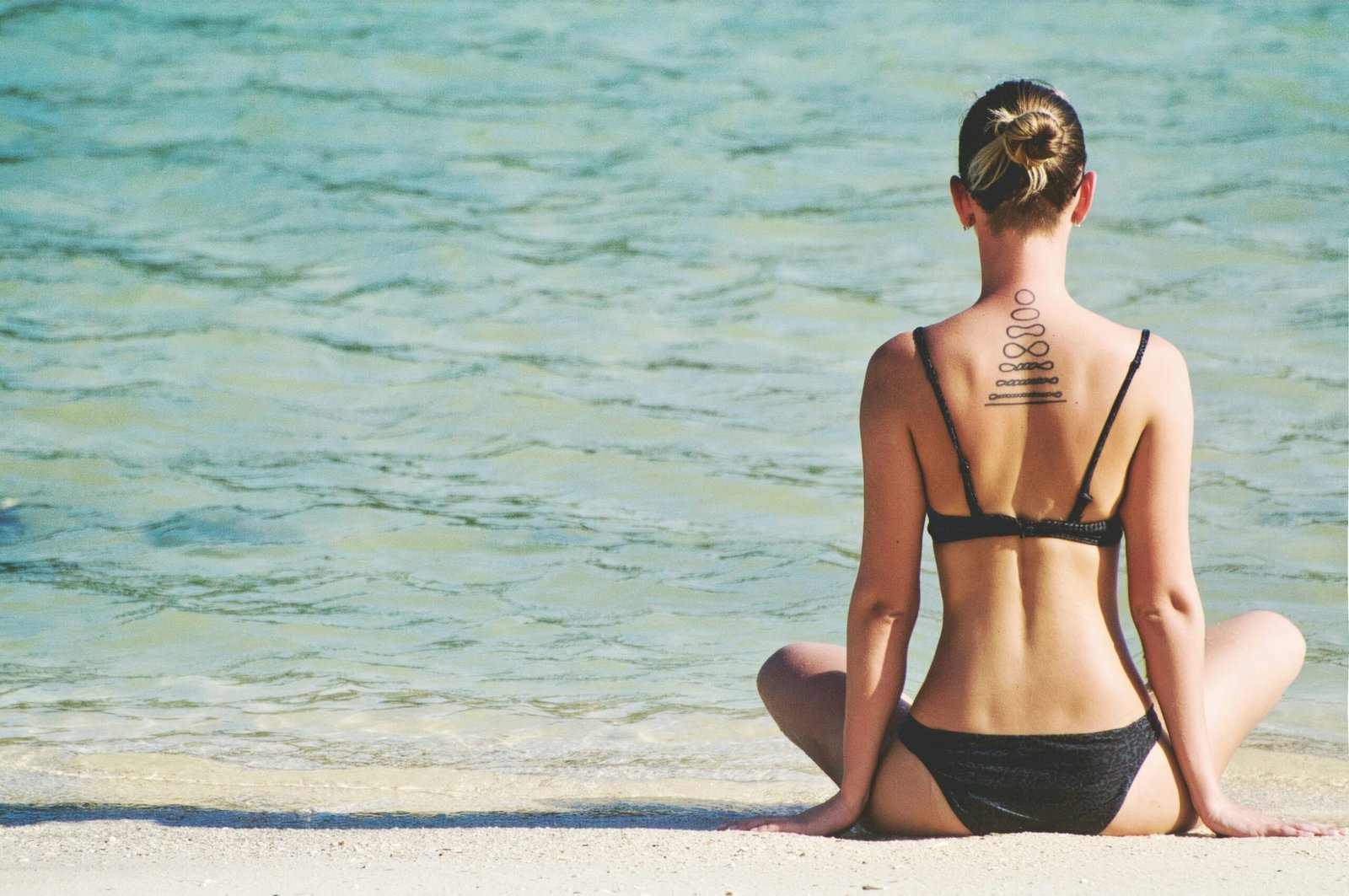
Using reef safe sunscreen is one of the most important things we can do to help protect our coral reefs. Just a simple action like this can have a tremendous impact on our reefs. Think about the amount of people on vacation at any given time, swimming in the ocean, and all of the chemicals coming off them and into the water. This damages the ocean’s biodiversity. I know, we are over here just trying to do our best, using sunscreen to help prevent skin cancer. But we can do so much more. We can help prevent skin cancer and help prevent bringing harmful substances into the ocean.
Disclosure: As an Amazon Associate, I earn from qualifying purchases. Assume any links on this website are affiliate links with companies or products that I use and trust. I may earn a small commission at no cost to you, I just enjoy sharing my favorite finds with my readers!
Benefits of Coral Reefs
Before getting into the best reef safe sunscreens, let’s talk about why we should use them. Doing our part to save the coral reefs can impact many things – like human safety and environmental health.
What Does the Coral Reef Do for Us?
- Coral reefs are a natural barrier against waves, protecting land and coastal communities from erosion, flooding, and damage
- Coral reefs generate millions of dollars in tourism (hello snorkeling!)
- Coral reef and organisms on it have been used for medicinal purposes
- Coral reefs offer a significant source of food to islanders and vacationers
- Coral reefs keep jobs such as commercial fishing and recreational activities available
- Coral reefs show us the impacts of climate change
What Does the Coral Reef Do for Fish?
- Coral reefs are home to at least a quarter of all marine life, including turtles, fish, crustaceans, and invertebrates
- Coral reefs offer shelter and safety to many marine organisms needing a hiding place from larger marine life
- Coral reefs supply a food source to many marine species
- Coral reef protects in-shore seagrass and mangroves
- Coral reefs reflect marine history, many being thousands of years old and having housed millions of sealife
How Harmful is Sunscreen to Coral Reefs?
Regular sunscreen is full of chemicals that are extremely harmful to the coral reefs – and between 5,000 and 14,0000 TONS of sunscreen makes it’s way into the oceans waters each year.
Chemicals common in sunscreens that are most harmful to the coral reefs are Oxybenzone and Octinoxate. Other harmful substances include: Benzophenone-1, Benzophenone-8, OD-PABA, 4-Methylbenzylidene camphor, 3-Benzylidene camphor, and Octocrylene according to the Coral Reef Alliance. Avoid using sunscreens with these ingredients, as these chemicals can cause a number of hazardous concerns to the coral reef, in addition to the harmful effects that coral reef is already experiencing from global warming and other environmental changes.
- Coral Bleaching – a stress to the coral, causing it’s zooxanthallae algea to become toxic and leave, turning it white and leading to starvation and disease which can start the extinction of coral reef and leave 25% of marine life homeless and vulnerable
- Deformation of Coral – developmental deformities and abnormal growth in baby coral, making it not as safe or useful to sea life
- Changes to the Coral’s DNA – changes over time can be detrimental to the coral reef as we know it and threaten any chance at longevity
- Reduced fertility for marine organisms – including dolphins, green algae, and sea urchins
Reef Safe Sunscreen Ingredients
The best reef safe sunscreens are mineral-based sunscreens that use Zinc Oxide and Titanium Dioxide as their active ingredients. They are considered reef-safe sunscreens. While many brands may list their products as “reef safe” and “reef friendly”, these terms are not yet regulated and, therefore, they may still contain harmful ingredients. Make sure to always check the ingredients on the back of the bottle to confirm that it does not list the harmful ingredients and instead has zinc oxide and titanium dioxide listed as active ingredients.
Mineral-based sunscreens containing zinc oxide and titanium dioxide generally do tend to leave a white cast on the skin. Zinc is naturally white and performs as a barrier on the skin, so you will run into this quite often. Just know that it’s doing its job to protect you from the harsh sun, and you’re doing your job to protect the reefs!
It is also advised to “slather, don’t spray”, whenever possible, as there are many spray sunscreens with nanoparticles that will make their way into the ocean. Bottles labeled “non-nano” are best, as well as sunscreens using recycled packaging, of course!

The Best Reef Safe Sunscreens
If traveling to a location that has enacted the Hawaii Reef Compliant Act 104, you will only be able to find reef-safe sunscreen to purchase there. However, if you would like to purchase before you go and bring it with you, make sure to go with one of these reef-safe sunscreens.
#1 Think Sport
This sunscreen is not only free of the reef-damaging chemicals, but is also vegan, gluten free, and dairy free. It’s a 100% mineral sunscreen and offers great protection. Great for active beachgoers.
Find Think Sport Here!
#2 Badger
Badger is made with just 4 ingredients – and is 98% organic. It leaves less of a white cast than others and is super sustainable. Made by a women-owned business with 50% recycled packaging.
Find Badger Here!
#3 Thrive
This reef-safe sunscreen contains 23.5% Non-Nano Zinc Oxide. It has plant-based ingredients, promotes regenerative farming, and is made in the USA. It’s moisturing without being greasy.
Find Thrive Here!
#4 Blue Lizard
This Australian sunscreen was created to protect the Great Barrier Reef. It’s great for sensitive skin, actually rubs in pretty well, and even has 35% post-consumer recycled content in its packaging.
Find Blue Lizard Here!
Travel Tip: It’s generally more cost-effective to purchase the larger bottle of sunscreen and pack it in your checked bag. However, I like to pack light on trips with just a carry-on and a backpack. In that case, I buy a larger bottle and use these TSA-compliant containers. Squeeze the sunscreen into these containers, and each person on your trip has their own personal sunscreen.
Alternatives to Sunscreen
While reef-safe sunscreen is an absolute must when vacationing by the sea, there are alternatives to sunscreen – or at least using less sunscreen. I would still suggest putting some on your face at all times!
Cute hats like this Wide-Brimmed Straw Hat and this Foldable Sun Visor Hat (with room for your bun!) are a great start. Add on a beautiful Coral Roxy Rash Guard or a 2 Piece Rash Guard Set in a tropical pattern. There are even great options for High Waisted Swim Leggings and Wide Leg Beach Pants, both with a 50+ UPF.
Investing in some 50+ UPF clothing is a great idea if you tend to spend a lot of time in the sun. Pack them for the day you know you’ll be on an excursion with little-to-no shade. Otherwise, relax under a Palapa, where you can enjoy yourself and use less sunscreen. These are also great alternatives to sunscreen if you tend to break out easily in the sun or have reactions to sunscreen. You can still enjoy the beach, protect the coral reef, and look cute doing it!