This hiking gear checklist is created to give you the best chance at having an amazing hiking experience. Having your hiking gear essentials, especially if you are a beginner hiker, is extremely important to your hiking success.
Hiking is such a wonderful activity—offering exercise, time with nature, and a source of freedom. Enjoy your time hiking by making sure you have the best hiking gear!
Disclosure: As an Amazon Associate, I earn from qualifying purchases. Assume any links on this website are affiliate links with companies or products that I use and trust. I may earn a small commission at no cost to you, I just enjoy sharing my favorite finds with my readers!
Hiking for Beginners
If you’re just beginning to explore the world of hiking, congrats! It’s an exciting world to become a part of. Every hike is special, and there are countless amazing trails to hike throughout the world.
I’ve been hiking for years with people of all ages and athletic abilities. A big part of hiking for beginners is knowing what hiking entails, what hiking gear you’ll need, and how much effort you’ll need to put in.
Here are a few hiking tips for beginners just to get you ready:
1. Know your skill level. Hikes range in length, elevation, and terrain. If you are a total beginner, start easy. Take a trail that’s 2 miles and flat just to see how you do. From there, gradually increase the distance and elevation as you become more comfortable and able to challenge yourself.
2. Go with a friend who hikes regularly. It’s best to start with a fellow hiker who knows their way around and is familiar with some local trails. If you don’t have a friend who hikes, consider joining a local hiking group and making new friends with similar interests!
3. Invest in decent hiking gear. Good hiking gear will be the difference between becoming an avid hiker or enduring a less-than-stellar experience and never hiking again. The main investment will be good hiking boots and bug spray to start! The rest can ultimately wait.
4. Set Goals. Setting goals as a beginner hiker is the ideal way to challenge yourself and maintain a relationship with hiking. Build up the skills you need to do the most exciting, longest, or steepest hike you want to do. The views are worth it, and your newfound confidence will be worth it.
5. Enjoy the journey. It may sound a bit cliche, but hiking really is all about the journey! Look around you, appreciate the beauty of nature, and admire the work your body and mind are putting in to get you to the end. Listen to the birds, watch the squirrels scurry about. Take a seat by the waterfall and just be. Make sure to take breaks, take pictures, and look up at the vast trees surrounding you.
Hiking Gear Checklist
Here are a few hiking gear essentials that will make your hikes most successful:
- Hiking Boots – Waterproof, comfortable, sturdy boots with great traction are necessary hiking gear for hiking all kinds of terrain. Great ankle support is also key, and make sure to size up a half size to add some comfortable socks and allow for movement.
- Quality Socks – These Dry-tech Dickies socks are my go-to for comfort and they don’t slide which I love. They have cushioning without being too thick, and come in a bunch of fun colors. (Size up! They run a little small)
- Quick Dry Clothing – Like these lightweight quick-dry pants (I love that they come in regular, tall, and petite!), and these dry-fit short-sleeved tees (a 5 pack!)
- Hat to block the sun – either a lightweight baseball cap or a wide-brimmed hiking hat with sun protection
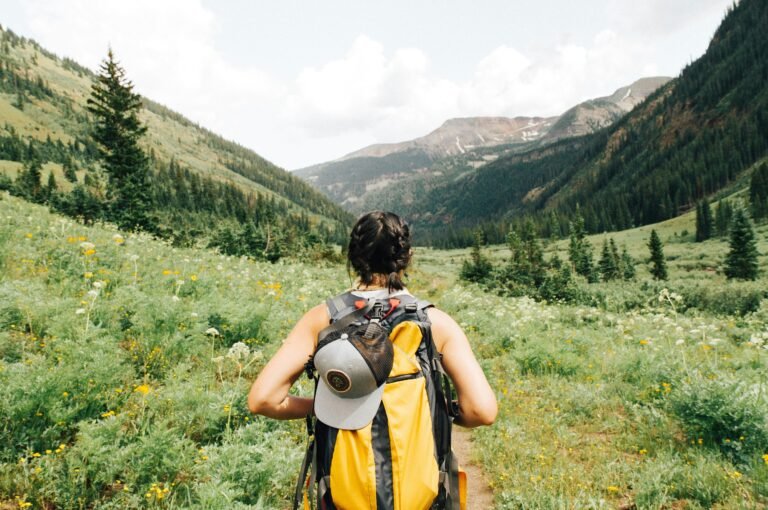
- Lightweight Backpack – Needed to hold all of your necessities.
- Hydration – Either a regular CamelBak water bottle or a collapsible water bottle is fine for beginners. Longer hikes may warrant a hydration backpack, which holds more water.
- Snacks – healthy snacks for sustainable energy like protein bars, trail mix, nuts, fruit, cereal bars, oat bars, peanut butter & banana sandwich, applesauce packets, cheese sticks, etc.
- Sunscreen & Bug Spray
- Survivalist First Aid Kit – with bandages, gauze pads, alcohol wipes, knife, flashlight, fire starter, poncho, and more.
- Hiking Poles – great for stability on uneven and steep terrain
- Toilet Paper and Tissues, or even Combat Wipes
- Phone (of course!) for GPS and Trail Apps
- Map – an actual map of the trail that you can hold in your hands & read
- A compass
- Emergency Whistle
- Bear Spray & Air Horn
- Hand Sanitizer

Gear for Hiking in the Rain
If you’re planning to still go for your hike with rain in the forecast, make sure you have proper gear for hiking in the rain. Also, take it easy and be aware of your surroundings. If it ever becomes too dangerous, just head back. Flash flooding can happen quickly! Make sure you bring these hiking items with you in case you get stuck in a downpour:
- A hooded, waterproof jacket or at least a poncho
- An extra pair of dry socks
- Hand warmers in case it gets cold
- A Head Lamp in case it gets dark quickly
- Rain Cover for your backpack or a Dry Bag to bring the essentials
- Gaiters for great protection against rain, cold, and mud
Dog Hiking Gear
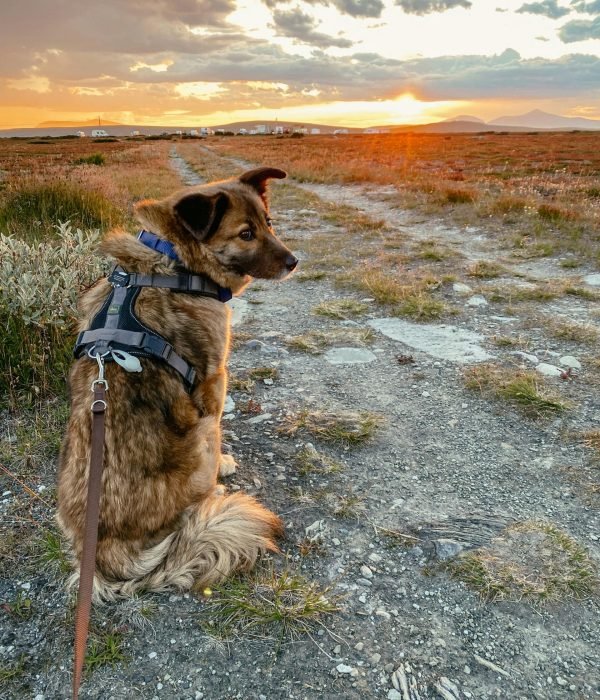
It’s fun to bring your dog hiking – and most breeds really enjoy it. If you’re not going too far and your dog is up for it, you won’t need much hiking gear for them. Make sure you keep them on a leash and give them water when you have water! These dog hiking gear items are ideal for hiking any distance:
- Poop Bags – I use these & they’re great, but I don’t suggest the lavender scent, it’s a little weird!
- Poop Bag Holder
- Comfortable No-Pull Harness
- Heavy Duty Rope Dog Leash (comes in sizes from 3ft-15ft)
- Collapsible Water Bowl
- Pet First Aid Kit
- Musher’s Secret Paw Wax – to protect those pads from rough terrain!
- Snacks or food
- Treats
Where to Hike
Finding hiking trails near you should be easy, depending on your location. Simply search “hiking trails near me” on Google, and you will be given every idea of where to hike. You can try “Easy hiking trails near me”, or even try searching “hiking trails near me with waterfalls” or something similar that you are looking for.
Most hiking trails within National, County, and State parks have color-coded markers to help guide you. All hiking trails will be different in distance, elevation, difficulty, and terrain, so look into the maps before heading out. Be sure to download a hiking app like AllTrails or GAIA GPS for route planning and information, in addition to bringing a map.
Remember that some parks require an entry fee or pass, so check before you go. Join a local hiking group if you’re interested in learning the ins and outs of hiking in your area and where the best hiking is!
Hiking Etiquette 101
There are some unwritten rules and general guidelines for hiking. To be ready and have the best experience, learn the best hiking etiquette before you grab your hiking gear and head outside. The main rule is to treat other hikers and the environment with respect. Here are a few specifics:
- Hikers heading uphill have the right of way – those descending should step out of the way and let others pass.
- Hikers yield to horses.
- Bicyclists are supposed to yield to hikers and horses.
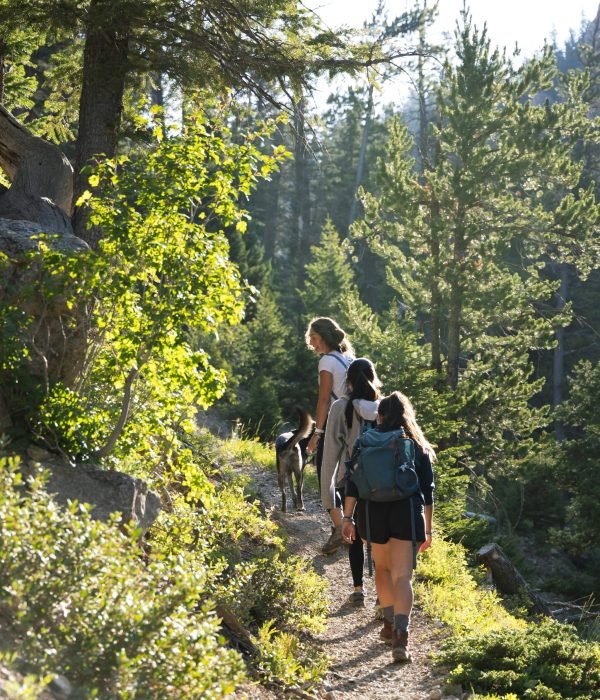
- Hike in a single-file line when hiking with a group.
- Stay on the trail.
- Be mindful of plants along the trails and avoid damaging any.
- A friendly “hello” to other hikers is nice.
- It’s ok to pass other hikers, just make yourself known when coming up behind them and let them know you’d like to pass. Then pass on the left.
- Do not bother wildlife. Enjoy the beauty and take a picture, but no touching or feeding.
- Bring your garbage out with you, and clean up after your dog. “Leave no trace.”
- Avoid portable speakers. Enjoy the sounds of nature and let others enjoy it too – hikers and wildlife. If you must listen to something, use one earbud so you have one ear open for awareness.
- Always be aware of your surroundings.
If you’re interested in hiking, there are hiking options for most skill levels. Make the time to get outside and enjoy the great outdoors. There’s sure to be a great hiking trail near you! With over 10,000 State Parks and over 400 National Park Service-managed areas in the U.S. alone, you’ll be able to find scenic, historic, and recreational areas to hike and explore. Just make sure you have your hiking gear ready to go!