Family Meal Planning can save you so much time and money in the long run. It may seem daunting and time-consuming to get started, but before you know it, you’ll have an organized plan and be proud of yourself for stepping up and taking care of your family with healthy home-cooked meals – instead of throwing together frozen foods or takeout each night. (There can still be days for those options, though – once in a while!) Meal planning doesn’t have to be hard, there are just a few key strategies to keep in mind.
Disclosure: As an Amazon Associate, I earn from qualifying purchases. Assume any links on this website are affiliate links with companies or products that I use and trust. I may earn a small commission at no cost to you, I just enjoy sharing my favorite finds with my readers!
Factors to Consider in Meal Planning
To get started, take some time to break down what exactly you’re looking to do. Are you looking to make sit-down meals each night or meals for a busy family on the go? Are you primarily looking to eat fewer carbs, save money, or satisfy picky eaters? Figure out what exactly the best plan for you family is, then consider these factors:
- What foods are in season?
- What grocery stores are available to you, and when do their sales start and end?
- What can you buy in bulk that your family will eat?
- How many people are you feeding?
- Would skillet meals, crock pot meals, grab-and-go meals, or sheet pan meals work best for your family?
- How much time do you have to put into making meals each day?
- What would you ideally feed your family? Less meat, more vegetables, a larger breakfast?
Step 1. Clean Out & Organize Your Fridge & Pantry
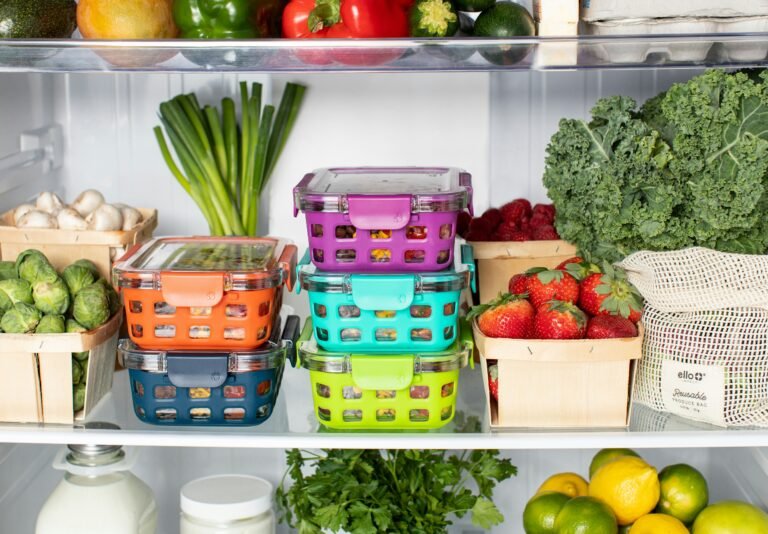
Once you have determined your family meal planning goal, do a total Spring Cleaning of your fridge, freezer, and pantry. I’m talking take everything out and place it on the counter, then throw anything away that is expired or has not been touched in a while (old crackers and snacks, freezer-burned ice cream – anything that has just been left to die a slow death in the back of the refrigerator). No one likes it, and it’s taking up space. Donate unexpired foods to a local food pantry, give food to your neighbor, or do whatever you need to get it out. Just start fresh with foods that your family will actually eat.
When you have a streamlined version of what you use on a day-to-day basis, it will be easier to figure out meals. It’s also easier to organize your fridge and pantry in a way that makes sense for meal planning.
- Keep the pastas/rice/quinoa/potatoes with the sauces, dressings, and canned goods on one shelf to get a quick view of what can go together for a nice dinner.
- Another shelf can house the tuna, wraps, soups, and nuts for healthy lunches.
- On another shelf, keep the oatmeal, nut butters, rice cakes, protein powder, granola bars, and cereals for a quick view of breakfast options.
- The very bottom shelf can have space for snacks and baking or things you don’t want to see all the time. Keep healthier options front and center.
- In the fridge, keep fruits, veggies, eggs, yogurts, milk, and hummus in direct sight since they will go bad faster and are healthier – you don’t want to waste them!
- Keep lunch meats, cheeses, and lettuce in a drawer for easy sandwich assembly.
- Using glass containers can help prolong the life of fruits and herbs.
- The freezer should be organized by frozen sides/vegetables/fruit in one section, on-the-go breakfast options in one section, main dinner options like meats and tofu in one section, and ice cream in the least visible spot, hopefully covered with some healthier options like frozen fruit bars or Italian ice!
Step 2. Take Inventory and Check the Local Ads
Now that your fridge and pantry are cleared out, take inventory of what you have. Any frozen meats you can incorporate into your meals? Canned veggies or beans that have been hiding behind the snacks? See what you have that you can use and start thinking about what else you need to create a proper meal. Next, check your local grocery store ads and see what’s on sale this week. Don’t get sidetracked with things you don’t need. Focus on meal planning only right now.
Sign up for loyalty cards at whatever grocery stores you frequent. You will have access to special deals and be able to conveniently download online coupons to your card before you go to the store. Also try apps like Ibotta, which can give you back money on certain brands that you buy if you upload your receipt. Plus, get $5 for joining!
Buying what’s on sale each week and stocking up is one of the key factors to family meal planning. This saves time and money by purchasing it when it’s on sale and having a purpose to use it without wasting it. How much food did you just throw out that was expired? That was a waste of both money and nutrients. Let’s stop doing that!
Step 3. Get a Meal Planning Board
This is one thing that has helped me tremendously. A meal planning chalkboard has helped me decide what we’re eating for the week and it is out in the open so I stick to it. This way, my family can also see what’s for dinner each day and not ask me 100 times what’s for dinner! There are many options available, like dry erase ones for your fridge and meal planner notepads with space for your grocery list.
I like using a meal planning board because it reminds me to use up what we have. Start with what you have in your inventory each week and build meals from there using the weekly grocery ads. This way you know exactly what you need to purchase at the grocery store for the meals you have planned. Then, each day you know what you need to prepare for. You’ll know in the morning that you’ll need to throw the pork shoulder in the crockpot, thaw the chicken or tofu, or if today is a leftovers day.
When planning meals for your family, take everyone’s tastes into consideration. Pork chops one night, but you’re daughter doesn’t like them? Make sure there are sides that she does like and plan it out so there’s leftover chicken from the night before that she can have.
Step 4. Make Your Grocery List and Stick to it
Write out your grocery list based on the layout of the store. This will help avoid zig-zagging through the store and not buying extras. Write your list out in your meal planning notebook or your notes app on your phone – just make sure it’s an organized list, or you’ll forget something. Be sure to check what you have first, so you don’t buy doubles. Also, be sure to know how much of each thing you’ll need for the week. Will you need 2 loaves of bread or just 1? Will you use up fresh herbs this week? Depending on your meal plan for this week, you don’t want to buy more than you’ll need and see it go to waste.
If you need to make a trip to multiple stores, try to bang it all out in one day to avoid overbuying. You’re already out, you may as well make the stops. And try to shop alone – you’ll stick to your list better that way. After checking the ads, you also know which stores have what on sale, so you can make sure to get the best prices. Specialty stores like Aldi’s and Trader Joe’s are great for certain products, but many products are seasonal and hit-or-miss. Supermarkets generally have better deals on things like name-brand laundry detergent, toilet paper, meats, and other household staples.
TIP * One thing that drives me crazy is purchasing the wrong amount of lunch meat. My son eats 2 sandwiches for lunch every day, (bulking season!) so I would buy a pound a of ham per week. However, it seems each deli counter person slices differently. So – I’ve switched to asking for a certain number of slices instead of a weight. This way, I know that I’ll have enough slices for his sandwiches for the week. None go to waste, and I don’t have to go back to the store during the week to get more. However, if I’m planning a ham and cheese quiche that week, I know to add a few extra slices to my order.

Step 5. Prep Anything You Can Ahead of Time
On Sundays, prep meals or sides if possible. Make your quiche for the week for an easy breakfast, make a big pot of chicken noodle soup for lunches, and marinate the chicken for tomorrow’s dinner. Make the quinoa salad and the homemade granola bars today. Separate the packages of chicken, steak, or pork chops into single dinner amounts. Separate, bag, and freeze the rest. Get enough done today to make the next couple of days easier, and meal prep some more on Wednesday or whatever day you have less going on if you can’t do it all on Sunday. If Thursdays are your major busy and running around days, make extra on Wednesday for leftovers.
Always add in a day or two for leftovers. Meal prepping can be surprisingly efficient – then there’s the odd day the kids eat at a friend’s house, someone is sick and doesn’t eat, whatever the case may be. You may end up with leftovers without even trying to. Use these leftovers for lunches or easy dinners, or freeze them for a later date.
Family Meal Planning Ideas
When planning family meals, always be sure that you cover your bases with healthy, filling foods that everyone will eat. Try to buy items that you can use throughout the week – like using your wraps for sandwiches and taco night or your pesto for salads and pasta night. Here are a few meal planning ideas for families – take one or take all!
Breakfast
- Bagels (the amount you’ll use without them molding)
- Protein Oatmeal (or overnight oats for an even quicker meal)
- Homemade Quiche – make a couple for the week, add in leftover grilled veggies from last night’s dinner
- Frozen berries and Protein Powder for quick Smoothies
- French Toast Casserole (make ahead)
- Apples, Bananas, Strawberries for sides
- Protein Yogurt with granola or fruit
- Cottage Cheese with fruit
Lunch
- Lunch meat or tuna for wraps or sandwiches
- Homemade soup (make ahead)
- Pasta Salad or Quinoa Salad (make ahead – and add chickpeas for some protein!)
- Pepperoni, Cheeses, Crackers with Celery
- Ants on a Log
- Hummus and Veggies
- Rice Cakes with Cottage Cheese and Turkey
- Peanut Butter and Jelly Sandwiches
- String Cheese and Rice Cakes with Peanut Butter and Banana
- Nuts (portioned out) granola bars, protein bars, or cereal bars for snacks
Dinner
- Crockpot Meals like Tacos, Pulled Pork Sandwiches, Chicken Breast, or a Tender Roast
- Baked dishes like Chicken Stuffing Bake, Enchiladas, Tex-Mex Casserole, or Veggie Lasagna
- Easy Skillets like Italian Sausage and Pasta, Chicken Alfredo, or Tuscan White Bean Skillet
- Crowd Pleasers like Spaghetti and Meatballs, DIY Pizzas, and Chicken and Rice Bowls
- Grilled Chicken – throw into salads, over pasta with pesto, mozzarella, and basil, or quinoa salad
- Leftovers on your busiest days
Meal Planning Benefits
Meal Planning is easily adaptable and very rewarding. There are loads of benefits to your time, your body, and your wallet! You’ll find that you have more time, less waste, and tastier meals because they were thought out and you actually have all the ingredients!
Save Time
We’re all busy, and saving time on meals is one less thing to worry about. Having all the necessary ingredients for the week saves an extra trip to the grocery store, and most meals you can get on the table within 30 minutes when planned ahead. Prep what you can and have healthy home-cooked meals every day!
Save Money
Sticking to your grocery list helps you purchase just what you need each week. It cuts out the last minute trips to the store where you’ll inevitable buy extra items. Using the store flyer, downloading coupons, and using Ibotta to buy what’s on sale and in season also saves money. And – not ordering food all the time saves a ton!
Eat Healthier
Planning out your family meals helps everyone to eat healthier. There are real options besides sugary cereal, frozen chicken nuggets, or takeout for every meal. If you put effort into incorporating more fruits, vegetables, and protein into your meals, you’ll be surprised by how much fuller you’ll feel with quality ingredients.
Waste Less
A huge benefit of meal planning is that it prevents food waste. By planning, you buy only what you need and guide your family on what to eat, using up what you purchased without wasting it. Buying the right amount for the week cuts down on excess foods that will be forgotten and go bad before anyone eats them.