Kayaking is an excellent hobby to have. It’s a full-body workout using your arms, core, back, and legs. Kayaking is also a peaceful experience that can be enjoyed solo or with friends while connecting with nature. You can kayak in rivers, oceans, and lakes for leisure, fishing, or competition.
Kayaks are relatively inexpensive after the initial costs, have low maintenance, and are easy to use once you get started. And here, we have everything you need to know about buying a kayak – so you can make a confident and informed decision on what will suit you best.
Disclosure: As an Amazon Associate, I earn from qualifying purchases. Assume any links on this website are affiliate links with companies and products that I use and trust. I may earn a small commission at no cost to you, I just enjoy sharing my favorite finds with my readers!
Types of Kayaks
There are at least 16 different types of kayaks out there, so understanding what you want from one is important. Let’s look into a few to give you an idea of what they are used for and which one seems right for you.
Recreational Kayaks
Are you looking to head out to the lake on the weekends, catch some sun, and see some sights while paddling around with friends or your pup? If so, a recreational kayak is a great option for you. They are fun, basic, and affordable while also being beginner-friendly and easy to maneuver.
Recreational kayaks are mid-sized and wider for more stability than sea and touring kayaks. They range in size from about 9 to 14 feet, with the norm being closer to 10-12 feet in length for an average adult. When a kayak’s length is shorter, it’s lighter and slower. When a kayak is longer, it’s generally faster but heavier. A recreational kayak is perfect for calm waters like a lake, where you’re interested in getting out there mainly to explore and enjoy your day.
Sit-on-Top Vs Sit-Inside Kayaks
The main difference when choosing a recreational kayak is whether you want a sit-on-top or a sit-inside kayak. Both have their advantages and disadvantages, so preference and use come into play here.
Sit-on-top kayaks are best for slow-moving water like lakes or calm rivers. You simply sit on top, as the name suggests, and there is a contoured seat and footwells. They are easy to get on and off and virtually unsinkable due to the lack of a cockpit.
These are fun for kids and adults alike who are looking for a casual kayak to use close to shore or even far from shore – as they are easy to get back on should you fall off or jump off to take a dip. You are much more likely to get wet on a sit-on-top kayak vs. a sit-inside kayak from splashing water or even just initially getting on and off. There’s just no graceful way to do it!
Sit-inside kayaks offer more security for valuables with an internal cockpit. By sliding into the hollow deck, your bottom half is inside the kayak and protected from water and sun. This type of kayak has a lower profile, which reduces wind resistance, typically making them faster than sit-on-top kayaks. However, they are much harder to get back into should you fall out or jump off, and they could fill with water in the cockpit if overturned.
Sit-in kayaks are perfect for you if you don’t want to get wet and are looking to go faster. This would be an ideal style of recreational kayak for someone who wants to start kayaking across a lake each morning for exercise – staying dry and zooming along. From my experience, I do have to say that sit-in kayaks tend to have more…bugs and spiders and things in them if left outside for a few days. MAKE SURE to store it in a garage or shed so you don’t end up with creepy visitors along for the ride!
Kayak Materials
The most popular kayak styles are hard-shell and inflatable. The materials they are made with effect their durability, weight, and performance.
Hard-Shell Kayaks
- Made of plastic, carbon fiber, or fiberglass (or a combination of these materials)
- Durable, ready to go, all one piece
- Bulky, can be heavy and hard to transport without the right vehicle or roof rack
Inflatable Kayaks
- Most commonly made of PVC
- Easy to transport and store, lightweight, comfortable
- Need to inflate each time you want to use; deflate to transport. Can be time-consuming and inconvenient (and annoying!)
The decision between hard-shell kayaks and inflatable kayaks breaks down further to performance, space, and budget. Inflatable kayaks are known to be more affordable and easy to transport, but they lack some performance on the water and have the headache of inflating and deflating. Hard-shell kayaks are strong and durable but hard to transport without a truck or a roof rack. They can also be heavy and awkward to lift or carry.
If you will be kayaking from your backyard, a community lake where you store your kayak for the summer, or you have access to a truck or are willing to purchase a roof rack, a hard-shell kayak is where it’s at. If you’re looking for something easier to travel with and don’t mind inflating and deflating it, try out an inflatable kayak.
From experience, everyone I know who started out with an inflatable kayak always ended up buying a hard-shell kayak down the road…just for reference!
Kids Kayaks
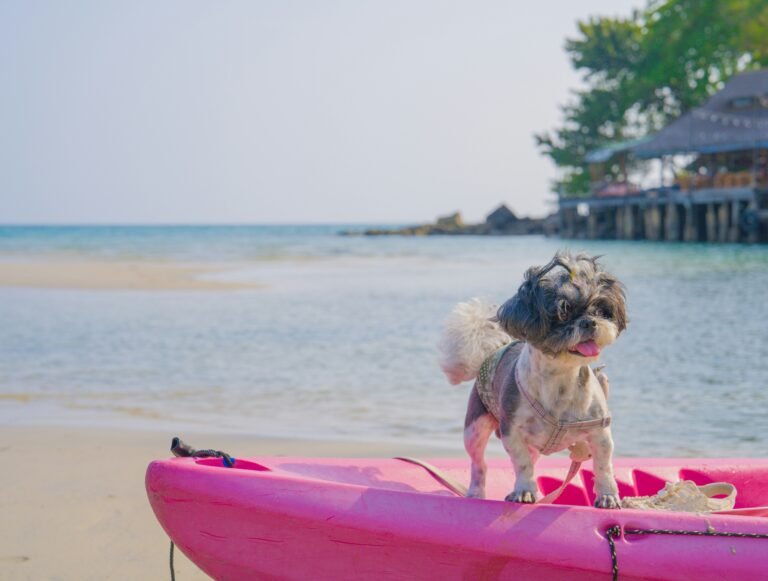
The best kayaks for kids are sit-on-top kayaks. They come in fun bright colors, are durable and stable, easy to handle, and less restrictive than sit-inside kayaks. Kids’ kayaks are shorter than adult kayaks in both length and depth, allowing children to easily reach the water to paddle. They are usually about 6′ long and serve more as a large floating raft as the child learns to paddle and appropriately use a kayak.
The ages for kids’ kayaks are around 5-11 years old, with a maximum weight of 100-120 lbs. Of course, kids should always wear a lifejacket when enjoying any water sport or hobby – including kayaking!
Best Kids Kayaks
This Pelican Youth Kayak is exactly what I had for my kids when they were younger. It helped them get comfortable in the water and learn to kayak young. It’s simple and durable. Living in a lake community, kayaking kept them busy many days! This is a great starter kayak (especially with the safety flag to keep track of them!) at 6ft long with a maximum weight limit of 100 lbs.
This Perception Youth Kayak comes in fun colors and is slightly longer at 6.6ft, with a weight limit of 120 lbs. This is a great option if your child is starting kayaking a little older, as it will fit them longer. Also – if you belong to a lake and everyone has pink or orange kids kayaks already (very popular colors!), this one is great since it’s available in a different color, making it easier to know which kid is yours when they are out with friends!

Tandem Kayaks
A tandem kayak is a 2 person kayak. They are longer and wider than single-person kayaks and much heavier. There are a few things to consider with tandem kayaks, though, to decide if one would be right for you.
- If you want to buy a kayak for the purpose of kayaking with your spouse, your fishing partner, your child, your best friend, etc., then a simple tandem kayak may work for you.
- A tandem kayak may also be for you if you plan to carry a lot of gear and supplies with you on your adventures. The extra seat doesn’t necessarily have to go to a person! It can go to a tackle box, a cooler, a tent, 3 dogs, or whatever you want! The weight limits are from 400 to 600 lbs!
- Keep in mind that it does take some getting used to paddling in sync with someone else. You have to be sure of your paddling plan, direction, and speed, or you’ll be paddling in a circle or just not getting anywhere at all.
- If using a tandem kayak by yourself, be mindful of paddling a large, long boat alone. The weight distribution will be off since you won’t be in the center, and it will be more difficult to control than a single-person kayak.
- Although tandem kayaks are heavier than single-person kayaks (60- 80 lbs compared to 30- 40 lbs), you’ll have an extra set of hands to help carry it if you’re kayaking with another person. There are also useful options like a kayak trolley cart which is basically a dolly for your kayak!
- In the case of a tandem kayak, an inflatable one like this would be a great option due to the portability, weight, and storage. Inflatable tandem kayaks also offer adjustable seats that move forward and back to give comfort to people of all sizes.
Best Rated Kayaks for Beginners
As a beginner, starting with a simple kayak is the way to go. See if you love it, see how much you use it. If one day you need more accessories for it or you want to upgrade, great! But for now, check out some of these best rated kayaks for beginners.
- The Pelican Kayaks have always been my go-to beginner kayaks. We bought them for our kids and had a great experience, then bought them adult sized ones when they were older. Now we all enjoy the kayaking experience together! Here is a great 1 person sit-on-top beginner friendly hard shell 10ft. kayak. There are feet grooves for different heights, a storage area in the back, even a cup holder! (not super deep, so be careful with your drink, or bring something with a lid!) It has a padded seat and backrest, it’s sturdy and durable and only 40 lbs. It’s literally everything you could want in a beginner kayak!
- This Pelican Argo 100x sit-in kayak is perfect if you prefer the sit-in style vs. the sit-on-top style kayak. At 10 ft and only 36 lbs, this one is slightly lighter and glides easily through the water. Either of these would be a great beginner kayak!
- If you’re thinking of trying out an inflatable kayak for your first kayak, this Intex Challenger Inflatable Kayak would be ideal. It’s similar to the first one I ever had. It’s super affordable (under $100!) and has an adjustable, comfortable seat. It’s pretty easy to inflate and deflate and is so compact – fits right into the trunk or back seat of a car!
Best Kayaks for the Ocean
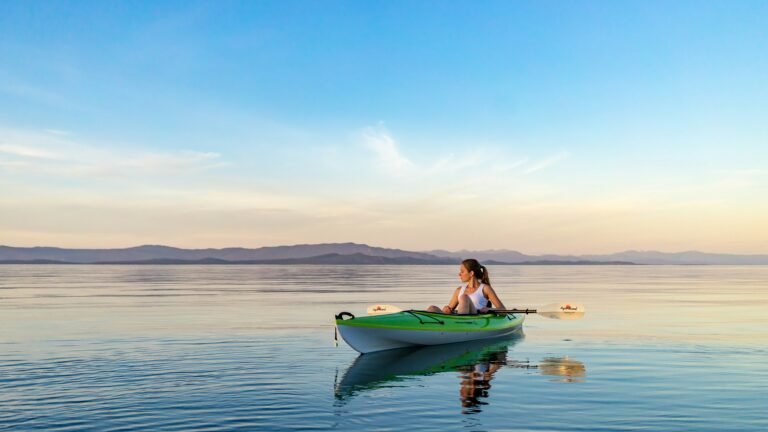
If you’re lucky enough to live near the ocean and want to kayak there, use either a recreational kayak or a sea kayak, depending on what you plan to do while you’re out there and how experienced you are.
Recreational kayaks are shorter and wider than sea kayaks, making them more stable and easier to maneuver. You can use a recreational kayak in the ocean if paddling close to shore and the water is calm – mainly for a little fun and some sightseeing. A sit-on-top kayak would be the best idea for an ocean adventure, as they are easier to get on and off should you tip over.
A sea kayak, also known as a touring kayak is ideal for kayaking in the ocean as they are longer and narrower with a rounded bottom. Generally, sea kayaks are used by more experienced kayakers. It takes some time to get used to the size (15-18 ft) and shape, along with maneuvering this less stable style around waves without capsizing. Sea kayaks are typically used further out at sea, on longer trips, and even through rough waters. Sea kayaks are faster due to their shape and focus more on open-water paddling, endurance, and exploring.
Get some experience first on a lake or river before kayaking in the ocean. The ocean can be very unpredictable and unforgiving! And never forget your life jacket.
Kayak Accessories
There are a ton of kayak accessories available to make your next adventure your best one yet! Set yourself up for a successful kayaking trip with these kayak must-haves.
Lifejackets for Kayaking
First things first – always wear a lifejacket while kayaking!
- This Onyx Life Vest is perfect for recreational kayaking. It’s comfortable and has large arm holes for freer movement when paddling. It even has a zippered pocket for necessities!
- When looking for kids lifejackets, make sure to purchase the right weight – and that they are US Coast Guard Approved. This Stearns Classic Kids Life Vest comes in 2 sizes, 30-50 lbs and 50-90 lbs. Adult life vests are suitable for 90 lbs and over.
- These cute patriotic life jackets come in child, youth, adult, and super large, so everyone in the family can match!
Kayak Seats
Many kayaks come with seats, but if yours doesn’t or you’re looking for an upgrade, there are plenty of options available to purchase.
- Here’s a Deluxe Kayak Seat Cushion that’s universal – plus easy to set up and remove. It’s nice to have a little extra back support while you’re kayaking! This comes in a bunch of colors and has an option to purchase for a tandem kayak.
- A Gel Kayak Seat is a great option for comfort too – you can use it in any kayak and even at home! The top stays dry due to the honeycomb design, and it stays put during your travels.
Cooler for Kayaks
A cooler for your kayak is a great thing to have – this way you can stop for lunch at whatever cool spot you find! A good rule of thumb: it’s usually easier to use ice packs or frozen water bottles to keep lunch cold – this cuts down on weight and leakage.
- The Pelican Sport Exochill Cooler bag slides right into most tank wells and has a super useful shoulder strap.
- A floating cooler like this one is so fun to use – just “Tether and Tow”!
- A Backpack Cooler is also perfectly functional as a cooler for a kayak. This one also has a ton of compartments for all kinds of necessities
Kayak Storage Rack
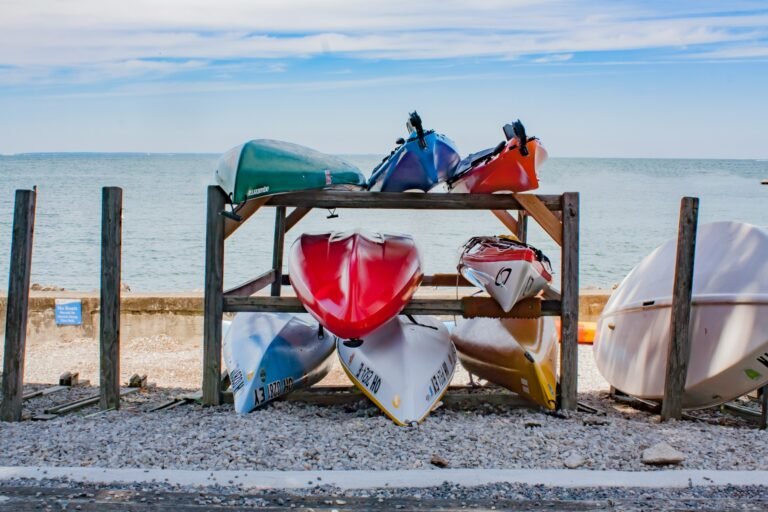
A kayak storage rack is useful for saving space and keeping kayaks out of the way. You can use most free-standing storage racks in your garage, along the side of your house, in your shed, and even in the basement! You can even build one with a simple design if you’re up for it…but if not, here are some options.
- This one by Rad Sportz is durable and stable for holding multiple kayaks. (The padded arms protect the kayaks and you, if you bump into it when rummaging through the garage!)
- Here’s a Heavy Duty Kayak Storage Rack, holding up to 6 kayaks!
- A Kayak Storage Hoist is a great affordable option if you like a pulley system! (For indoor ceilings up to 12 feet)
- A Double Kayak Rack is another super affordable option. Just hang your kayaks on the wall for easy access!
More Kayak Accessories
- A Waterproof Dry Bag is a must to keep your valuables dry – it even comes with a waterproof phone case!
- A Portable Speaker is a must-have for a day out on the water
- A Sun Hat with UV Protection is a smart choice
- A Kayak Rack for Your Car Roof Top is a must if you don’t have a pick-up truck!
- A Kayak Trolley for easy transport is nice to have
- An Anchor is also nice to have if you want to stay in one place at any point on your adventure
- Watershoes help protect your feet while getting on and off the kayak in murky waters!
Now You're Ready for a Kayak!
Full of all this information about kayaks, now you can make a confident and informed decision about buying a kayak that is perfect for you. I prefer the hard-shell, single-person sit-on-top recreational kayak like this one. It’s perfect for what I need it for and I have so much fun out on the water with it! What kind would you like?
Now that the weather is warming up, it’s almost kayak time! Find a local spot, make a picnic lunch, and start exploring!